
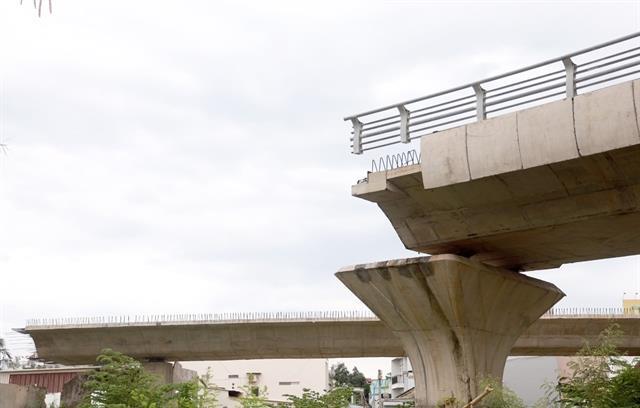
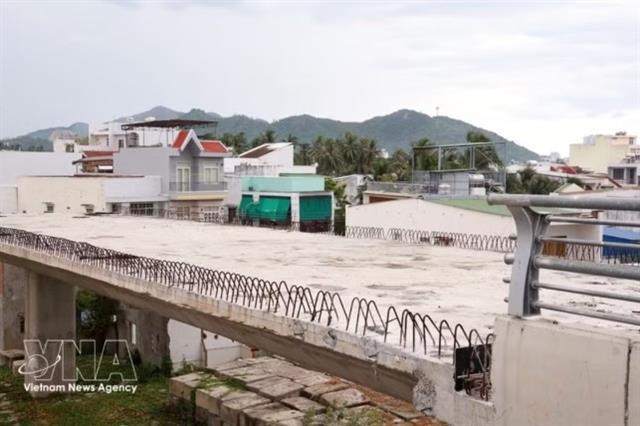
As of the end of July, authorities had identified 4,619 long-stalled projects. Of these, 3,984 were reviewed and classified into six groups, while 635 cases had yet to be assessed.
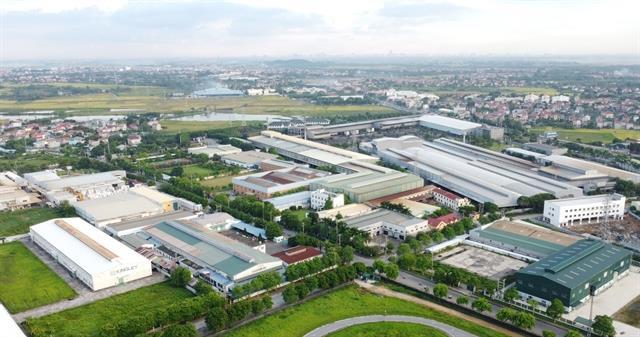
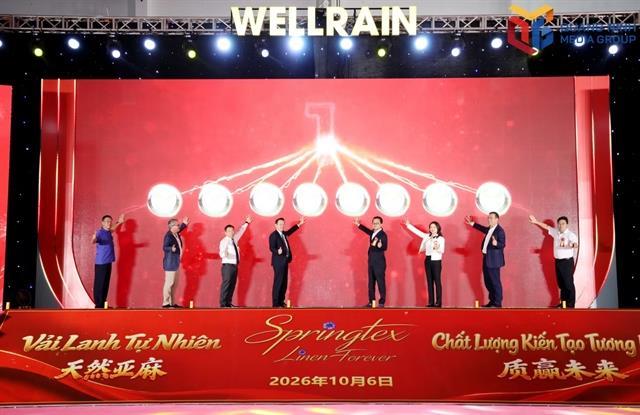
Speaking at the ceremony, Vice Chairwoman of the Thái Nguyên People’s Committee Nguyễn Thị Loan said the province is pursuing rapid and sustainable development while striving to become a modern industrial centre of the mountainous northern midland region.
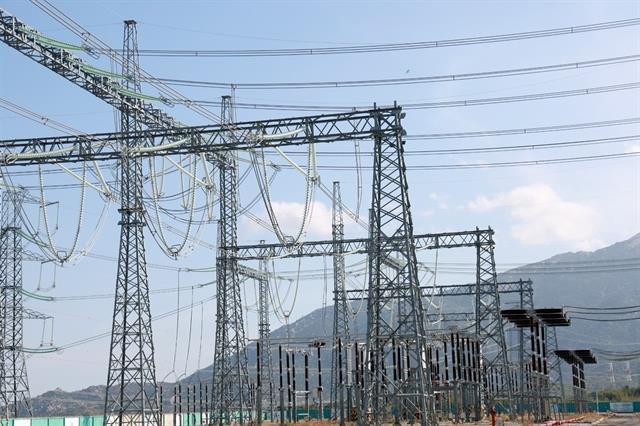
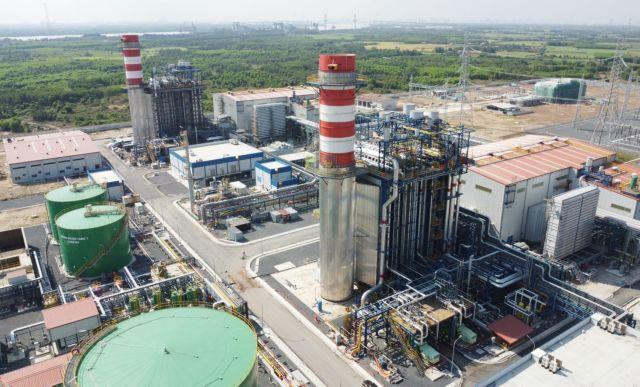
Việt Nam aims to have 22 LNG-fired power projects built and put into operation between 2025 and 2035, of which fifteen projects with combined capacity of 22,524MW are scheduled to enter commercial operation by 2030.
The proposal was presented during a meeting between the Cần Thơ People''s Committee and a delegation from the Ministry of Industry and Trade on Tuesday.
Nguyễn Xuân Bắc, deputy director of the SBV’s Department of Credit for Economic Sectors, attributed the limited supply of social housing and the small number of projects eligible for loans to the slow disbursement.
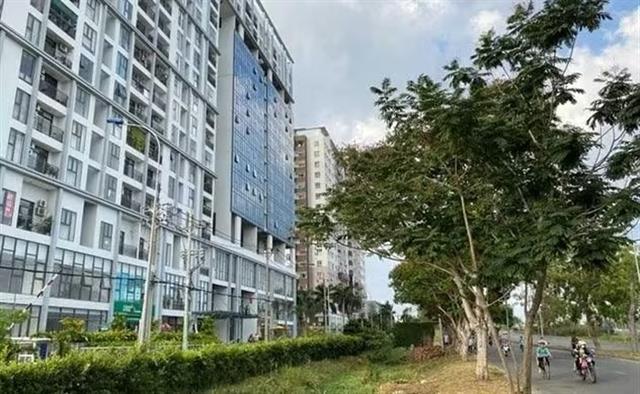
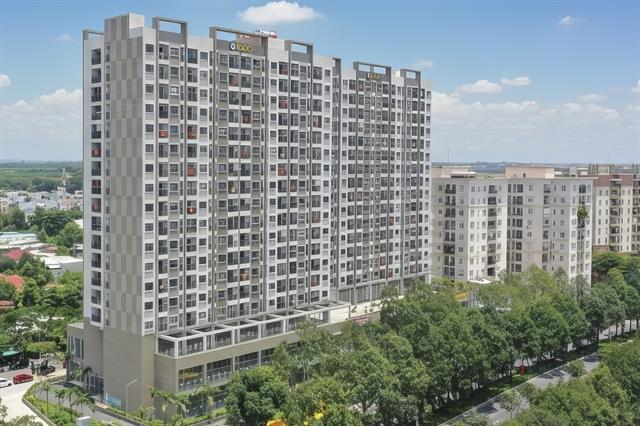
Nationwide, 866 social housing projects have been developed with a combined investment of about VNĐ606 trillion (US$23 billion) and a total of 757,338 apartment units.
Officials from the finance ministries of Việt Nam and Laos met in Hà Nội on June 30 to exchange experiences in mobilising, managing and using official development assistance (ODA) and concessional foreign loans.
Loss-making bank branches in Việt Nam could face closure from July 1 under new SBV rules aimed at boosting efficiency, strengthening oversight and streamlining procedures.
With housing prices continuing to outpace incomes, rental housing is emerging as an increasingly important pillar of Việt Nam''s housing policy, offering a more realistic path to stable accommodation for millions of people.
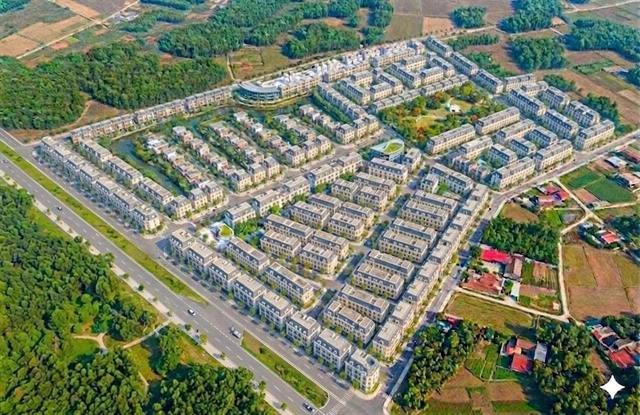
Authorities have approved two more residential developments for foreign buyers as part of efforts to improve market liquidity and strengthen investor confidence.
Hà Nội has proposed a new regulatory framework allowing the conversion between social housing, commercial housing and resettlement housing projects in an effort to improve the use of underutilised housing stock and respond more flexibly to market demand.